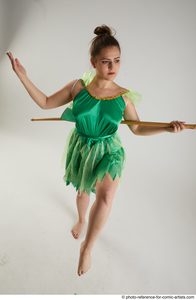
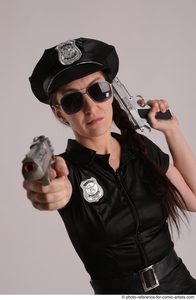
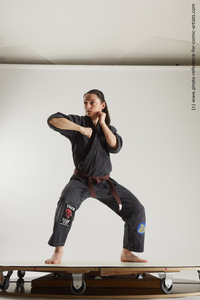
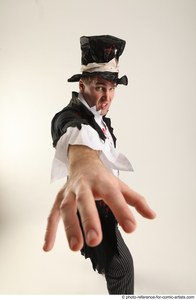
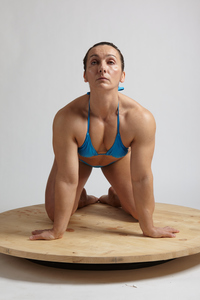
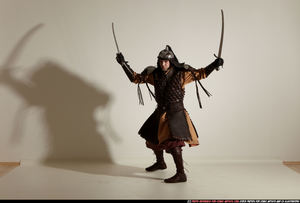
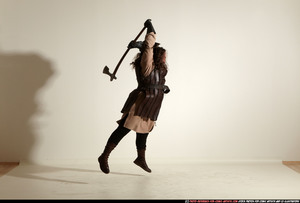
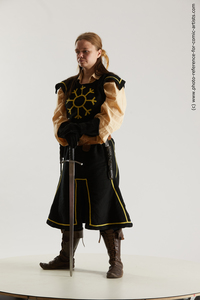
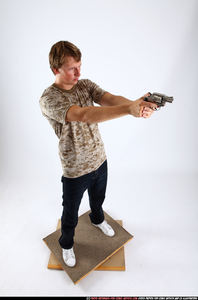
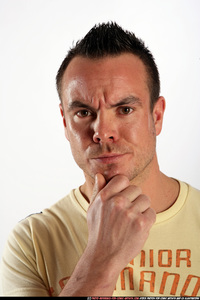
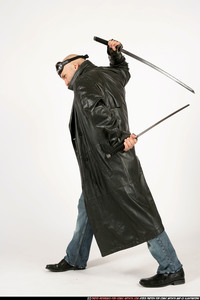
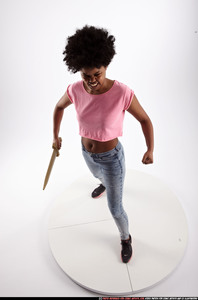
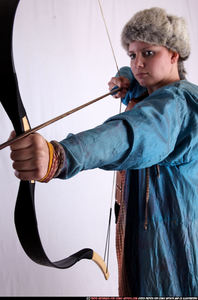
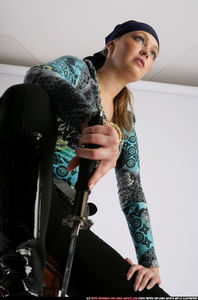
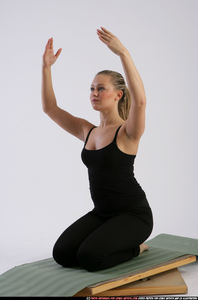
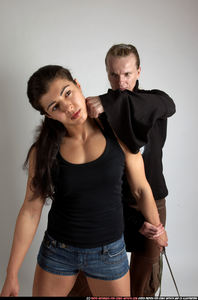
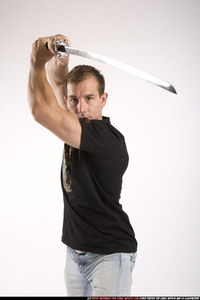
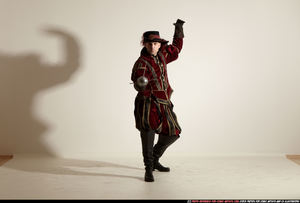
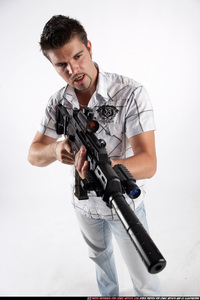
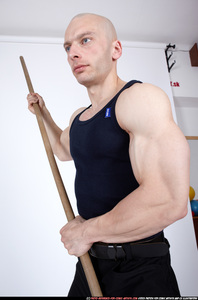
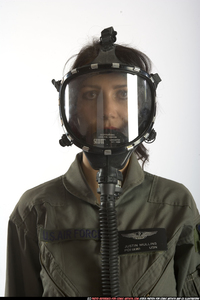
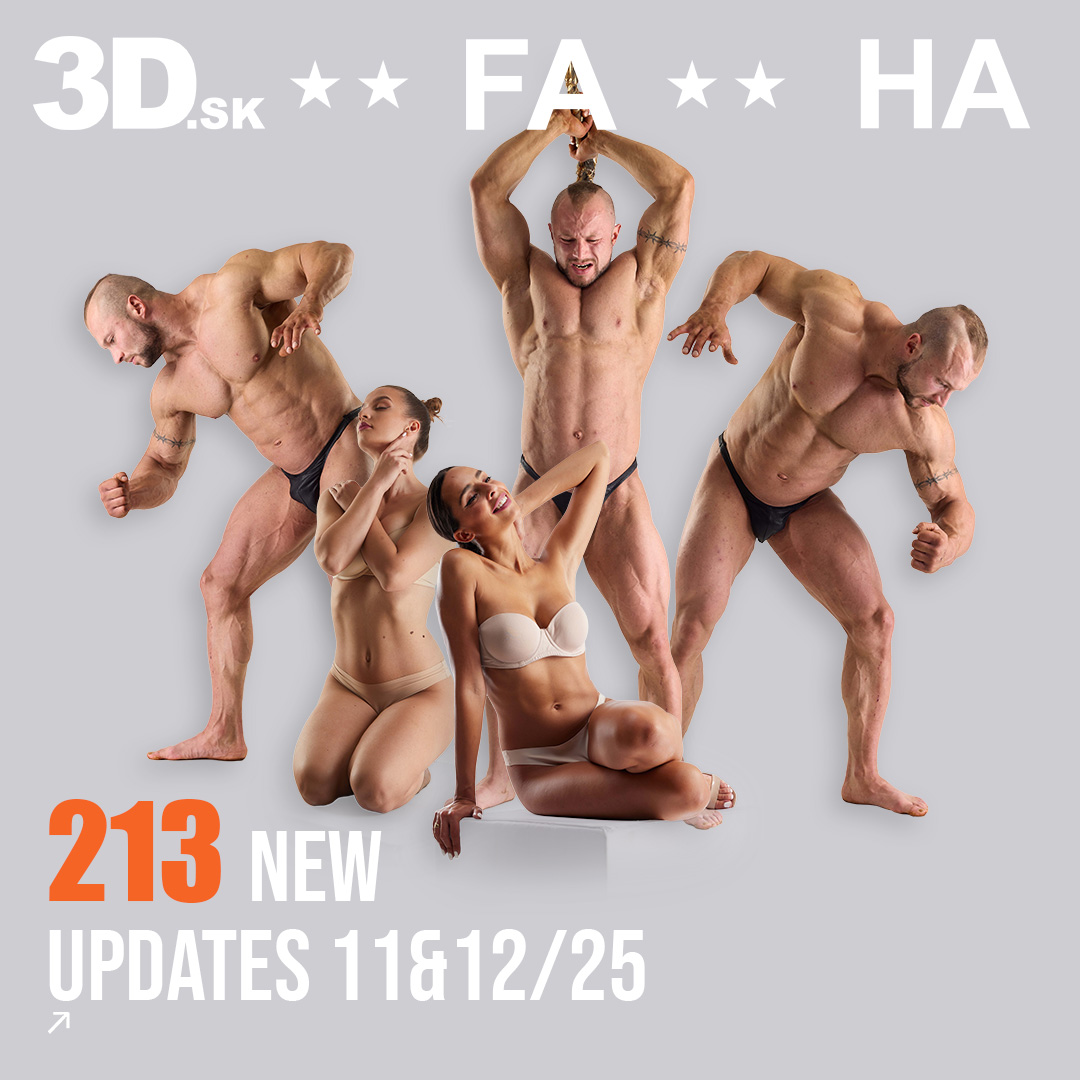
Our models

Photo Reference Models for Comic Artists, Manga Creators and Character Designers
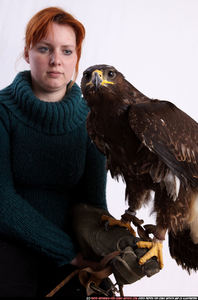
Explore the complete Photo Reference for Comic Artists model directory — a visual and name-based library of male and female reference models for comic-book artists, manga creators, illustrators, storyboard artists, concept artists, character designers, sculptors and digital artists.
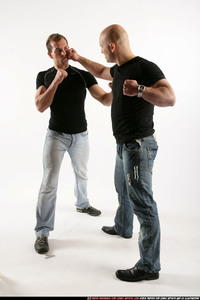
Browse models visually by face and appearance, or switch to the alphabetical name view when you already know the person you are looking for. Each model profile can connect you with available action poses, fighting references, costumes, expressions, standing, sitting, kneeling, moving and detailed character photo sets.

Browse Comic Reference Models Visually or by Name

The directory offers two practical ways to explore the model library:

Photos view lets you scan the model grid visually and discover people by face, age, hairstyle, gender or general appearance.
Models by name helps you find a specific person directly when you already know the model's name.

This is especially useful when you want to work with the same model across several character concepts, action sequences, costume references or comic panels.

Filter Models by Gender, Age and Ethnicity

Use the filters to narrow the directory by gender, age range and ethnicity. The archive includes younger, middle-aged and older models, helping artists find the right visual reference for heroes, villains, civilians, background characters, historical figures, fantasy roles and modern characters.

Ethnicity filters include Arab, Asian, Black, Hispanic, Indian and White models. This variety helps artists create more believable and inclusive casts for comics, graphic novels, manga, webtoons, animation and games.

Models for Action, Emotion and Visual Storytelling

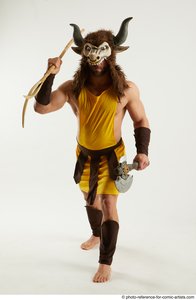
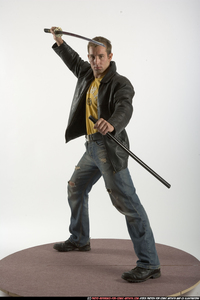
Depending on the model, available sets may include dramatic action, fighting poses, dialogue scenes, daily activities, character acting, facial expressions, costume studies and prop interaction.

These references help artists solve common storytelling problems such as body language, silhouette, movement, emotional clarity, costume behaviour, hand placement and interaction with weapons or objects.

Pose Categories Available for Individual Models

A single model may appear across several useful pose categories:

Standing poses for character sheets, introductions, hero shots and full-body silhouette studies.
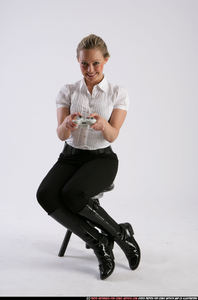
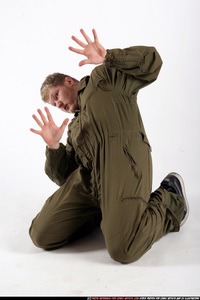
Sitting and kneeling poses for dialogue, tension, aiming, waiting and low-angle compositions.
Moving poses for running, jumping, chasing, attacking and dynamic gesture studies.
Fighting poses for hand-to-hand combat, defence, impact, weapon handling and action panels.
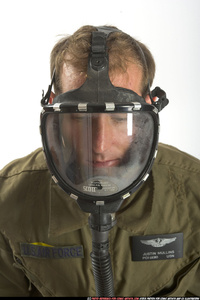
Detailed photos and expressions for portraits, emotion, reaction shots and close-up panels.
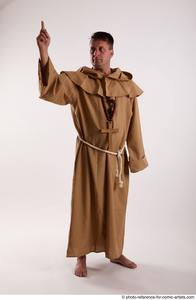
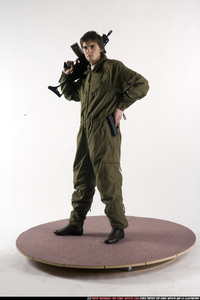
Profession and costume sets for soldiers, warriors, monks, athletes, musicians, historical characters and fantasy roles.

Models with Weapons, Props and Costumes

Many models appear in themed sets with swords, knives, axes, bows, crossbows, spears, guns, musical instruments, tools, phones, books and other props.

These sets are useful for studying grip, stance, balance, reach, recoil, costume folds, accessories and interaction between the body and an object. They are visual art references, not instructional material for real-world weapon use.

Different Character Types, Ages and Appearances

The directory includes a broad range of faces, ages and visual identities. Artists can find references for athletic characters, older characters, everyday people, fantasy roles, military characters, historical archetypes, villains, heroes and stylized personalities.

This variety makes it easier to build distinctive casts instead of repeating the same face, body type or character silhouette across an entire project.

Keep Character Reference Consistent Across Sequential Art

Working with one model across several photo sets can improve consistency in comics, manga, webtoons, storyboards and animation.

The same person may have standing, moving, fighting, sitting, detailed, costume and expression sets available, allowing you to keep facial structure, proportions and character identity consistent across multiple scenes.

Models for Comics, Manga, Storyboards and 3D Character Art

Comic and manga artists can use the directory for panel planning, gesture, action continuity and character acting. Storyboard artists can study framing and staging. Concept artists can develop costumes and archetypes. Sculptors and 3D artists can use the same references for anatomy, posing, prop interaction, MetaHuman work and character presentation.
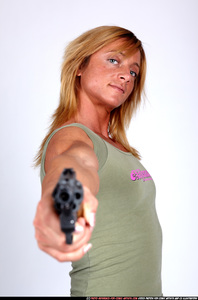
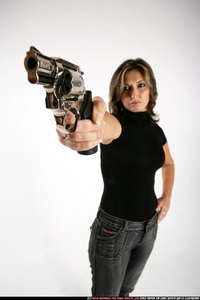
Because the archive is organized around practical artistic needs, it provides more targeted character reference than generic stock photography.

How to Find the Right Comic Reference Model

1. Choose Photos to browse visually or Models by name to find a specific person.
2. Select female or male models.
3. Refine the results by age range and ethnicity.
4. Open a model profile to review all available pose, costume and expression sets.
5. Save relevant sets to a wishlist or basket to organize them by character, scene, issue or project.

Explore More Comic and Character Reference Resources